Author name: Bo

2-Block Zone Kiwi & Peanut Butter Skyr Snack
The Zone, Snacks

2-Block Zone Kiwi & Peanut Butter Skyr Snack

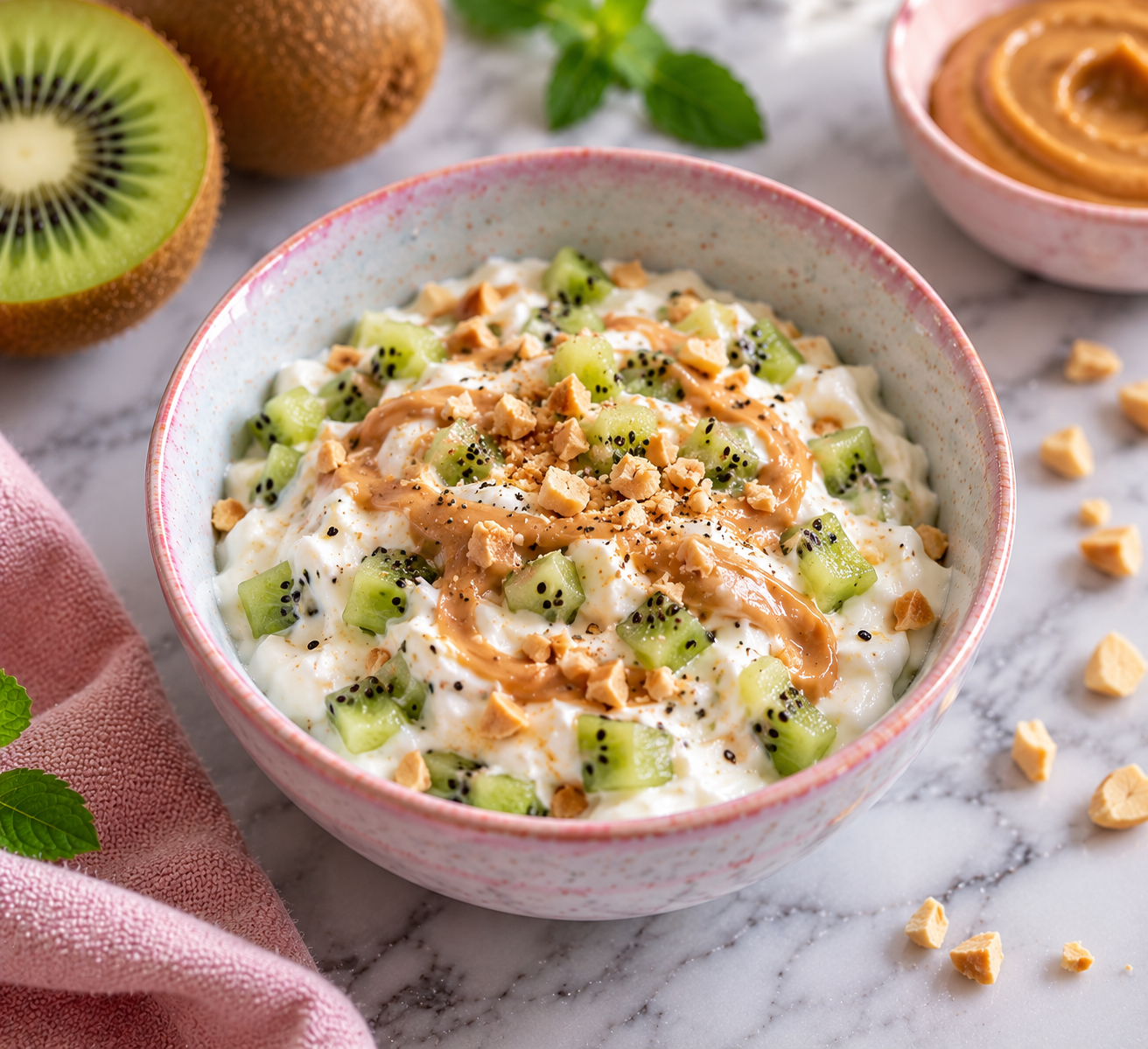
When you want something sweet in the afternoon without turning your snack into a dessert, this 2-block Zone snack is a simple combination of creamy Skyr, fresh kiwi and peanut butter. It takes just a couple of minutes to prepare and gives you a nice balance of protein, carbohydrate and fat while keeping the ingredients simple. Ingredients 200 g Skyr 1 medium kiwi 2 teaspoons peanut butter (about 10 g) How to Make It Spoon the Skyr into a bowl. Peel and chop the kiwi into small pieces. Add the kiwi to the Skyr and gently mix. Drizzle or swirl the peanut butter through the mixture. Serve immediately, or chill for a few minutes for a colder, creamier snack. Why This Snack Works Skyr provides a convenient protein-rich base, while kiwi adds natural sweetness, freshness and texture. The peanut butter brings richness and fat, making the snack more satisfying. The combination of creamy, tangy Skyr, juicy kiwi and nutty peanut butter makes this feel much more indulgent than the ingredient list suggests. The Zone Balance This recipe is designed as an approximately 2-block Zone snack: Protein: Skyr Carbohydrate: Kiwi Fat: Peanut butter Because nutritional values differ between Skyr and peanut-butter brands, check your labels if you want to calculate the blocks precisely. Perfect for the Afternoon This is especially handy when you want something quick, sweet and filling between meals. There is no cooking involved, and everything can be prepared in one bowl. Simple ingredients. Balanced blocks. A fresh little afternoon treat. 🥝🥜 Nutrition note For strict Zone calculations, use the nutrition information from your specific Skyr and peanut butter. The quantities above are a practical approximation rather than a laboratory-precise block calculation.      
The Zone

How To Choose The Best Protein?

Not all protein powders are created equal. If you are serious about hormonal control and precision nutrition, your choice of supplement shouldn’t be an afterthought. To stay in the Zone, you need a high-efficiency fuel that doesn’t bring “hidden baggage” (like excess carbs or fats) along for the ride. When shopping for your next tub, use the Isolate Selection Protocol to ensure you’re getting exactly what your body needs. 1. The Gold Standard: Whey Isolate Only Forget “Whey Concentrate” or “Protein Blends.” To maintain a precise $40:30:30$ ratio, you need Whey Protein Isolate. Isolates undergo a more rigorous filtering process that removes most of the lactose, minerals, and fats, leaving you with a purer protein source that is absorbed quickly and efficiently. 2. The Efficiency Test: The 80% Rule Before you buy, check the label. You want a powder that is at least 80% pure protein. Here is how to do the math: The Formula: (Grams of Protein per Serving $div$ Total Grams per Serving) $times$ 100 For example, if a 25g scoop contains 20g of protein: $$20 div 25 = 0.80 text{ (or 80%)}$$ If the number is lower than 80, the manufacturer is likely using fillers or lower-quality concentrates. 3. Calculating Your Blocks Once you’ve found a high-quality isolate, you need to know how much to use to hit your 1P (Protein) Block (which is 7g of protein). Use this quick conversion based on an 80% efficiency: $$frac{7 text{ (grams for one block)}}{0.80 text{ (purity)}} = 8.75text{g of powder}$$ So, roughly 8.75g of your powder equals one Zone protein block. 4. The Lipid Warning: Aim for Zero This is the most critical rule for Zone followers: Ensure the fat content is near zero (<1g per serving). Why? Because the Zone system relies on external healthy fat doubling (like adding almond butter or olive oil to your shake). If your protein powder already contains 3g or 4g of “hidden” fats, you lose control over your ratios and accidentally spike your caloric intake without the anti-inflammatory benefits of your chosen healthy fats. Don’t let marketing jargon fool you. Look for Whey Isolate, run the 80% math, and keep the fats at zero. When your protein is pure, your results will be too. Do you have a favorite brand you’re currently using, or would you like help auditing a specific label to see if it meets the protocol?

The Zone

Shopping List

The Protein Vault (Mix & Rotate) These are the anchors for every meal. Most site recipes rely on a “Dairy + Egg” base. Vegetables (The “Volume” Fillers) The site treats these as your primary carbohydrate source. Overbuy these! Fruits (Balance & Desserts) Used for natural sweetness in “Zone” breakfasts and snacks. Controlled Carbohydrates & Grains On this site, grains are treated as “blocks” and used in measured, small portions. Healthy Fats The “hidden” component. These are added to satisfy the 30% fat requirement. Baking, Desserts & Flavour Boosters To recreate the site’s sweets and savory bakes without breaking “The Zone.” The “Zone” Strategy Tip To stay successful with these recipes, your kitchen should never be without these three “Panic Items”:

The Zone

The Gold Rules of the Zone: Precision Nutrition by Dr. Barry Sears

To truly “enter the Zone,” you have to look beyond the 40:30:30 ratio. Dr. Barry Sears designed this system as a metabolic thermostat. To keep your hormones—specifically insulin and glucagon—within the “therapeutic zone,” there are four non-negotiable rules you must follow. 1. The Rule of One-Two-Three Every time you eat, you must balance your plate. Dr. Sears emphasizes that a meal is only “Zone-compliant” if it contains all three macronutrients in the correct proportions. 2. The 5-Hour Window One of the most critical rules in the Sears method is timing. Hormonal balance from a single meal only lasts about four to six hours. 3. The “Eye-Hand” Method You don’t always need a scale to stay in the Zone. Dr. Sears simplified the rules for dining out or busy days: 4. Anti-Inflammatory Supplementation For Dr. Sears, the 40:30:30 ratio is only half the battle. To combat “silent inflammation,” the rules dictate: The Goal: The “Blood Sugar Flatline” The ultimate rule is to avoid the “peak and valley” cycle. By following these pillars, you ensure that your insulin levels never spike too high (which stores fat) and never dip too low (which causes brain fog). In the Zone, your blood sugar remains a steady line, allowing your body to access stored body fat as its primary fuel source 24/7. Are you looking to apply these rules to a specific lifestyle, like high-intensity training or a sedentary office routine?

The Zone

Breaking the “Zone” Plateau: The Plateau Exit Protocol

Breaking the “Zone” Plateau: The Plateau Exit Protocol If you’ve been following the Zone Diet, you know the drill: 40% carbs, 30% protein, and 30% fat. It’s the “Goldilocks” zone of hormonal balance. But sometimes, even when you’re hitting your blocks perfectly, the scale stops moving and your energy dips. You’ve hit a biological plateau. To kickstart your metabolism and regain hormonal control, you can apply a specific adjustment known as the Plateau Exit Protocol. The Protocol: Adjusting Your Blocks When your progress stalls, the goal is to further lower insulin levels and push the body back into fat-burning mode. Instead of the standard 1:1:1 block ratio, transition your meals to this specific formula: Note on Fats: The “2–3 Blocks” is a sliding scale. If you are eating a fattier protein source (like a whole egg or salmon), stick to 2 blocks of added fat. If you are using ultra-lean protein (like egg whites or protein powder), move toward 3 blocks to ensure your body has the fuel it needs to bypass the stall. Why This Works By slightly reducing the carbohydrate blocks and doubling (or tripling) the healthy fat blocks, you are: Implementation Tips

4 Zone Blocks – Spelt Flour Cheese Bites
The Zone, Bakery

4 Zone Blocks – Spelt Flour Cheese Bites

  4 Zone Blocks – Spelt Flour Cheese Bites 1 egg 28 g Kashkaval 56 g feta cheese 50 g spelt flour 6 g mixed seeds (chia, sesame, flaxseed, etc.) A little water Method: Mix everything together, adding a little water until you get a thick dough/batter. Shape into small bites and bake until golden and cooked through.

hands and arms
Fitness

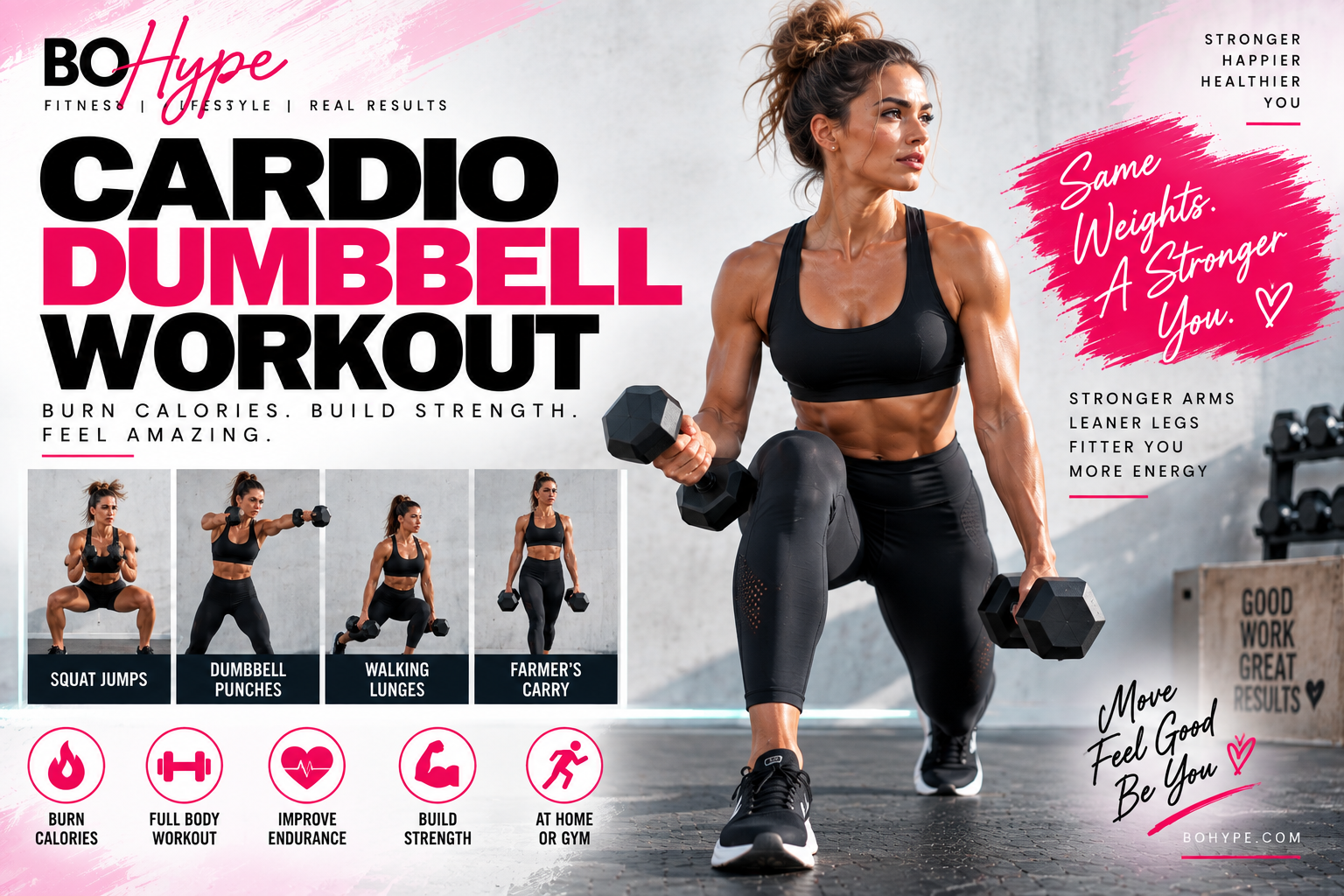
Dumbbell Hands & Arms Workout: Complete Arm Day

Your arms, shoulders, wrists and forearms work together every day — from carrying bags and lifting weights to pushing, pulling and simply having a stronger grip.
And you don’t need a gym full of machines to train them.

Scroll to Top